
Proverbs 23:7a For as he thinketh in his heart, so is he:
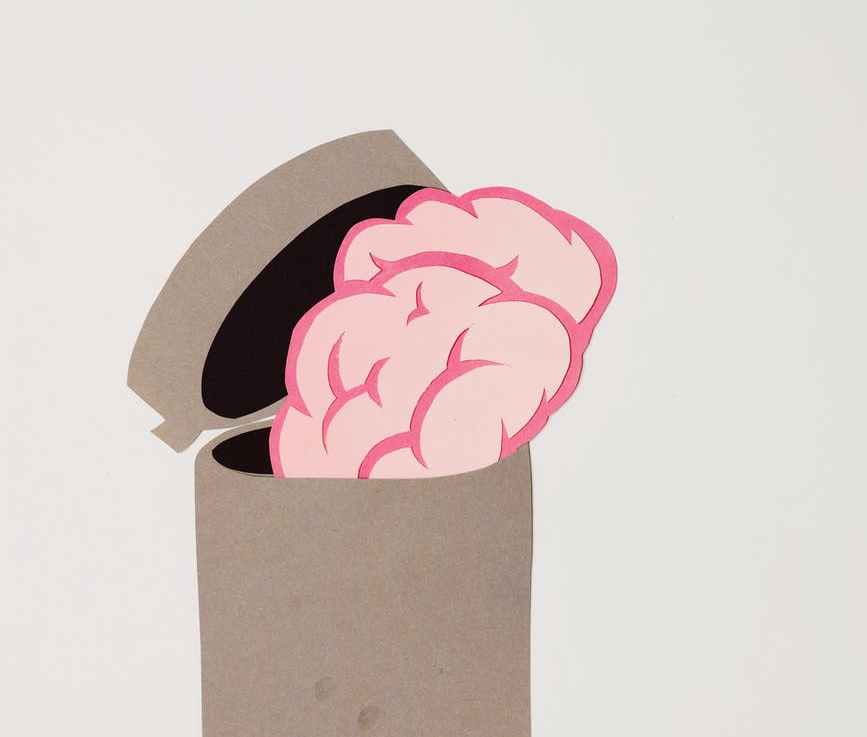
The opening scripture reveals the truth that everything we are today is a reflection of the way we think. Our mindset is how our minds are programmed and how our minds are programmed will eventually determine the outcome of our lives. That is why whether a person ends up poor or wealthy is dependent on the mind.
In Luke 4:18, I noticed something striking. The Spirit of the Lord is on me because he has anointed me to proclaim good news to the poor. Wait, I thought what the poor needed was money but here the Bible said something must be proclaimed to the poor. They need to hear a particular message. What we hear informs the kind of mindset we develop. So once the poor hear a particular message and it influences their thinking, the problem would be solved. This goes to show that giving the poor money is not the solution to their problem. Giving to them helps them temporarily because they’d have to keep coming back. Jesus said we’d always have the poor with us mainly because of this issue.
Most times people say things like: Let the rich and wealthy give some of their money to the poor so that no one would have to struggle anymore. But that’s not true. Even if money is evenly distributed, everyone is going to eventually go back to the level they were before. This is because even in the redistribution of wealth, the way each person would handle the money given to them would be different. Some people would multiply what they are given and others would even spend till they are owing others. And it’s all based on a mindset.
So I’d mention just a few things which are mindsets that induce poverty.
- The Entitlement Culture – Many people feel entitled to receive help from others especially when they did nothing to contribute to the other person’s wealth. So when they ask for help and don’t receive it, they paint the person to be a bad person ignoring the fact that the person may have a budget they’re working with. That’s selfish behavior because you are only thinking about what you can get for yourself. This attitude also breeds the blame game and not taking responsibility. Such people blame others such as parents, the government, place of work, for their predicament. If only my parents took care of me. Well, there are people who became orphans at an early age and yet did something with their lives. In Matthew 25:1-13, the story is told of 10 virgins – 5 wise and 5 foolish. The foolish virgins were asking the wise ones for some of their extra oil because they felt entitled to receive help. Galatians 6:5 for each one should carry their own load. Yes, we can ask for help from people every now and then but if they are not able to help, there’s no need to feel like you deserve to be helped. If they choose to help, great but if they don’t, that’s also fine. We move.
It’s not the rich who give. It’s givers who give.
- Always taking and never giving – People who are bound to remain poor are those who are always looking to receive but never giving to others. How do you expect out of nowhere that someone should surprise you with some money when you have never done it for another person before? Some people would say they don’t have and that’s why they can’t give. Everyone has something so that’s false. Matthew 13:12 Whoever has will be given more, and they will have an abundance. Whoever does not have, even what they have will be taken from them. How can something be taken from someone who does not have anything? It means they actually had something but didn’t know about it. Mark 12:44 They all gave out of their wealth; but she, out of her poverty, put in everything—all she had to live on.” How does someone give out of poverty? This means you don’t need to have so much money to give. You need to be a giver to give. In other words, it’s not the rich who give. It’s givers that give. 2 Cor. 8:2 also says a similar thing about the church at the time. In the midst of a very severe trial, their overflowing joy and their extreme poverty welled up in rich generosity.
- Shortsightedness – A shortsighted person is one who doesn’t see afar. So some examples of shortsightedness may include spending more on things that won’t matter in the years ahead, not planning ahead, and spending for competition reasons to impress people, among others. Instead of buying clothes every month, why not spend on things that develop you personally such as courses, books, seminars, etc. Money is not just cash. Some people want to have cash on them to prove they have money. Money is also anything you have that has monetary value. For instance, if I learn a skill such as designing, playing an instrument, or I take a course, it is possible to make money from the knowledge I have. There are times I sold things I didn’t need and was able to acquire the money I needed to get what I wanted. The first time I got paid for playing instruments, I asked myself how I would have gotten this money if I didn’t learn to play. So instead of thinking where can I ask for money, there are things we have that are of monetary value. 1 Kings 4:1-7 tells the story of Elisha and a widow. She had her last flour and oil but didn’t know that it could be multiplied. The solution to her problem was right there but she couldn’t see it.
- Non-strategic relationships – Ever heard of the statement, ‘Your network determines your net worth?’ It’s great to make friends easily but what’s the point of making friends who don’t contribute to making you better in life. It’s important to be strategic in our association with people. For this, it has nothing to do with being a user. You are not associating with them for the money they can give you but the wisdom they have. It’s better to ask how to fish than ask for the fish. Many people claim to be sociable but have nothing to show for the many friends they have. Among all their friends, there is no one they can seek counsel from and expect a sensible submission. Proverbs 13:20 He that walketh with wise men shall be wise: but a companion of fools shall be destroyed. This also suggests that once you walk with people who make sound financial decisions, you’d also begin to do the same. Ecclesiastes 4:9 says Two are better than one. Once two are not better than one, there is the need to disassociate yourself. Iron sharpens iron so the right association is key.
The conclusion of all that has been said is that poverty and abundance are in the mind. Statistics have shown that 70% of lottery winners lose their entire fortune and end up bankrupt. I thought that more money for them meant they were never going to be poor again. But because their minds couldn’t handle that level of abundance, they use it wrongly and end up at the level they were before the money came.
 The Word In Clarity